How will our cities change?
In recent decades, cities have become spaces of tension and aspiration for their inhabitants. Various factors drive their constant evolution but also expose their vulnerability. What happened recently in Valencia, Spain, on October 30 caught the world’s attention: in a matter of minutes, the city experienced one of the largest weather disasters in its history. Such events, usually associated with rural areas, highlight the fact that climate hazards are also affecting urban centers in alarming ways.
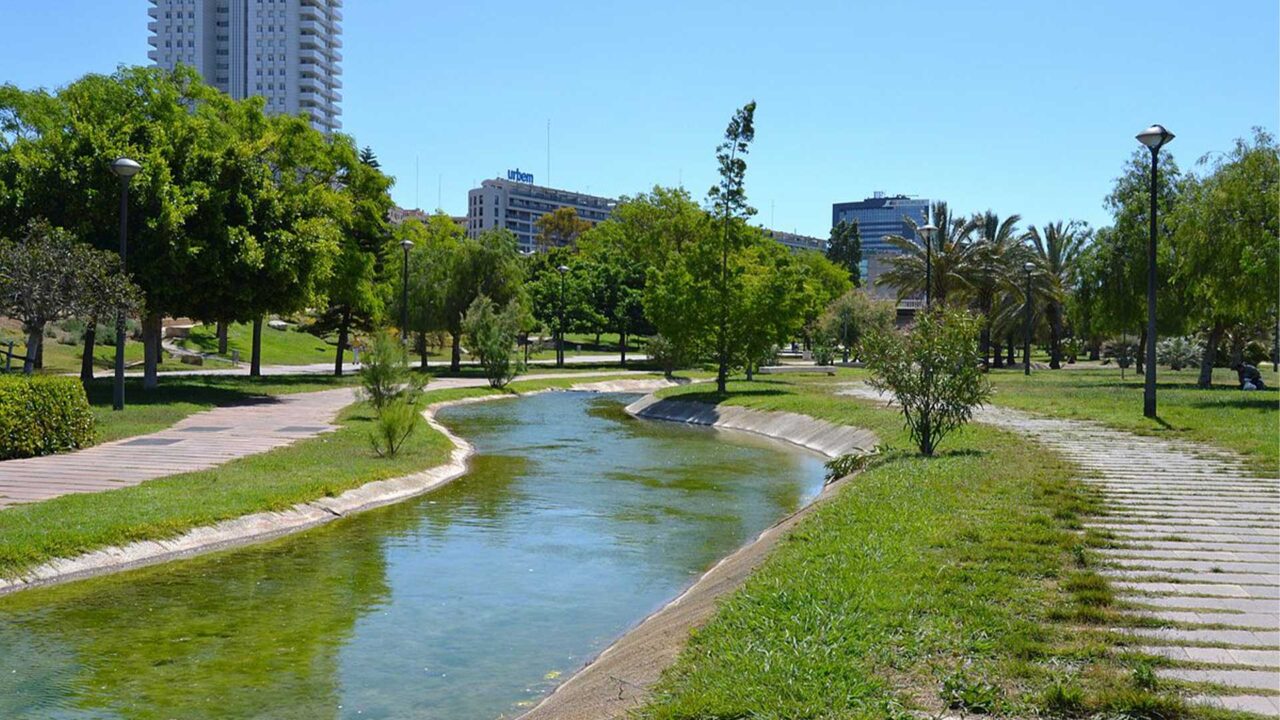
Valencia was named European Green Capital 2024 on October 27, 2022. This recognition, awarded by the European Commission, highlights the city’s efforts in environmental sustainability and quality of life. The award highlights initiatives such as the creation and protection of green spaces – including the Albufera Natural Park and the Turia Gardens – as well as its advances in sustainable mobility and waste management. In addition, Valencia has been a pioneer in measuring and offsetting the carbon and water footprint of tourism and is one of 100 cities selected for the European Union’s Cities Mission project, which aims to achieve climate neutrality by 2030. However, this tragedy calls into question the effectiveness of urban resilience “calculations” in the face of extreme events and underscores the need for more comprehensive and anticipatory planning.