
The Role of Problem-Solving in Urban Design and Technological Urbanism
Aquí tienes el texto extraído y presentado en formato justificado (alineación a ambos márgenes, listo para pegar en Word / Google Docs / PDF manteniendo la justificación):
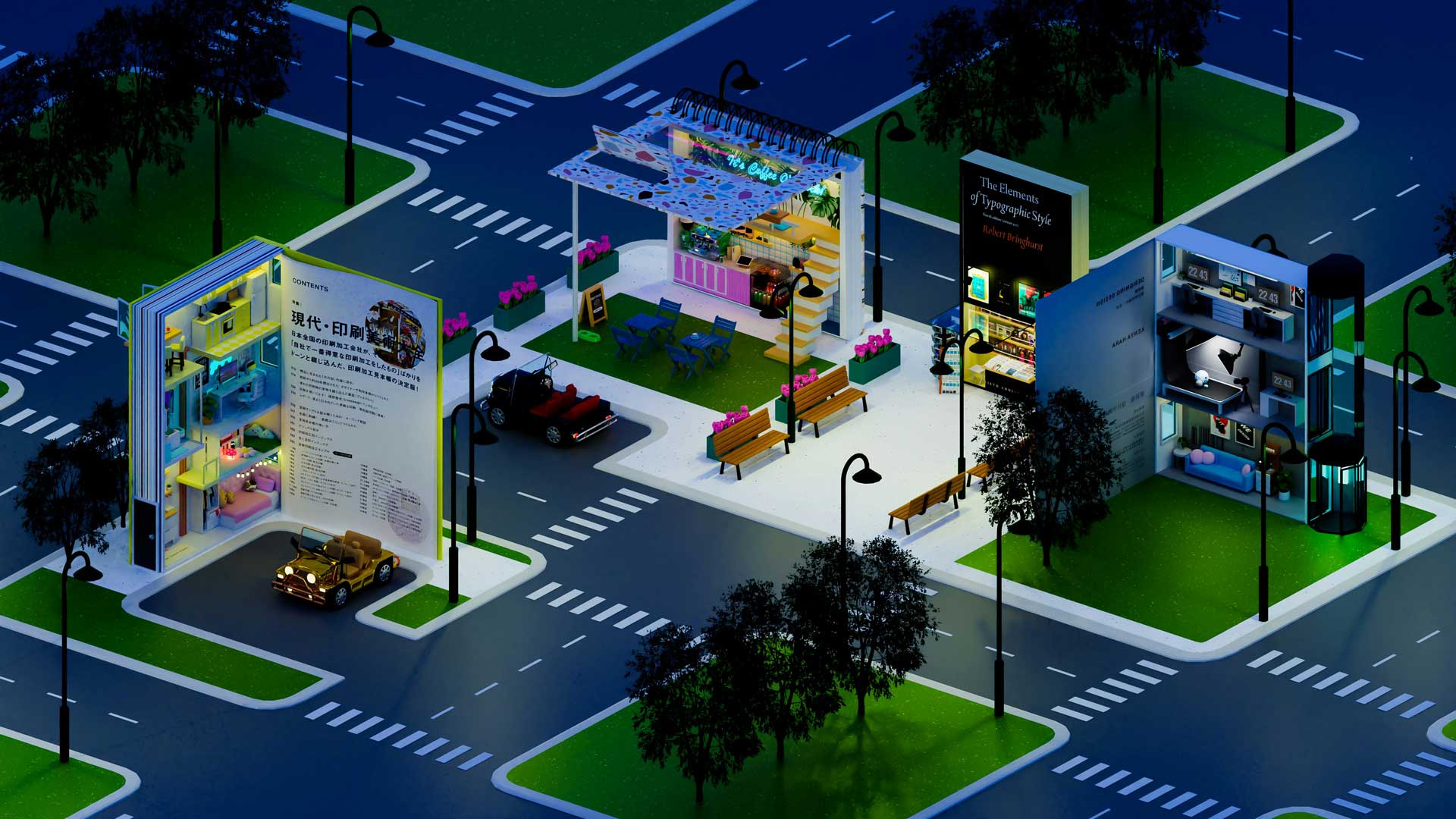
The image shows a futuristic urban environment with high technological integration. Modular and multifunctional buildings suggest flexibility and adaptability, while the presence of green spaces highlights sustainability. The mobility infrastructure is efficient, with well-defined streets and pedestrian crossings. The aesthetic design and use of vibrant colors reflect a trend toward creating functional and visually pleasing spaces. In addition, areas for social interaction are highlighted, such as benches and an outdoor café, fostering community. Overall, it represents advanced urbanism that prioritizes efficiency, sustainability, and quality of life.
📌 Nota rápida:
In today’s rapidly evolving world, cities face increasingly complex challenges due to accelerated urbanization and the growing demand for sustainability. Urban design and technological urbanism have emerged as key disciplines to effectively and sustainably address these difficulties. While urban design focuses on the physical and structural aspects of urban environments, technological urbanism—also known as smart urbanism—leverages advanced technologies to manage and improve urban services and infrastructure. This document is based on a comprehensive literature review conducted using Scopus, supported by ScopusIA, and includes diagrams and analyses that provide a deep understanding of the existing scientific literature on urban planning trends. The review examines how urban design and technological urbanism, when integrated, can offer innovative and effective solutions to contemporary urban challenges.