
🌿Green as Infrastructure: Culture and Pedagogy: Nature as a Classroom
Urban Climate Series Part 3 of 4
In Northern Europe, Malmö is recognized for placing green infrastructure at the very center of its urban strategies. Here, vegetation, water, and soil are not decorative elements: they are infrastructures of wellbeing that regulate the climate, absorb rainwater, provide habitats for biodiversity, and strengthen social cohesion. In a city shaped by cultural diversity, these parks and natural areas become mediators between communities of different origins, shared places where coexistence is built in everyday life. Malmö is, in fact, one of the most multicultural cities in Sweden: in 2024, it hosted people from 187 different countries, and approximately one third of its inhabitants were born abroad. In this context, green space not only brings environmental benefitsNature as a Classroom but also consolidates itself as an infrastructure of social and cultural integration.
𝖡𝗎𝗍 𝖺 𝗊𝗎𝖾𝗌𝗍𝗂𝗈𝗇 𝖺𝗋𝗂𝗌𝖾𝗌: 𝘄𝗵𝗲𝗿𝗲 𝗱𝗼𝗲𝘀 𝘁𝗵𝗶𝘀 𝗻𝗲𝗲𝗱 𝗳𝗼𝗿 𝘁𝗵𝗲 𝗼𝘂𝘁𝗱𝗼𝗼𝗿𝘀 𝗰𝗼𝗺𝗲 𝗳𝗿𝗼𝗺, 𝘁𝗵𝗶𝘀 𝗶𝗺𝗽𝘂𝗹𝘀𝗲 𝘁𝗼 𝘀𝗽𝗲𝗻𝗱 𝘁𝗶𝗺𝗲 𝗼𝘂𝘁𝘀𝗶𝗱𝗲 𝗲𝘃𝗲𝗻 𝗶𝗻 𝗰𝗶𝘁𝗶𝗲𝘀 𝘄𝗵𝗲𝗿𝗲 𝘁𝗵𝗲 𝗰𝗹𝗶𝗺𝗮𝘁𝗲 𝗶𝘀 𝗼𝗳𝘁𝗲𝗻 𝗰𝗼𝗹𝗱 𝗮𝗻𝗱 𝗱𝗮𝘆𝗹𝗶𝗴𝗵𝘁 𝗶𝘀 𝘀𝗰𝗮𝗿𝗰𝗲 𝗳𝗼𝗿 𝗺𝘂𝗰𝗵 𝗼𝗳 𝘁𝗵𝗲 𝘆𝗲𝗮𝗿? 𝖦𝗋𝖾𝖾𝗇 𝖺𝗋𝖾𝖺𝗌 𝖺𝗇𝖽 𝗈𝗉𝖾𝗇 𝗉𝗎𝖻𝗅𝗂𝖼 𝗌𝗉𝖺𝖼𝖾𝗌 𝖻𝖾𝖼𝗈𝗆𝖾 𝖺𝗇 𝖾𝗑𝗍𝖾𝗇𝗌𝗂𝗈𝗇 𝗈𝖿 𝗍𝗁𝖾 𝗂𝗇𝗁𝖺𝖻𝗂𝗍𝖾𝖽 𝗌𝗉𝖺𝖼𝖾, 𝖺𝗇𝖽 𝗍𝗁𝖺𝗍 𝗉𝗋𝖾𝖿𝖾𝗋𝖾𝗇𝖼𝖾 𝗁𝖺𝗌 𝗋𝗈𝗈𝗍𝗌 𝖽𝖾𝖾𝗉𝖾𝗋 𝗍𝗁𝖺𝗇 𝗎𝗋𝖻𝖺𝗇𝗂𝗌𝗆. 𝖨𝗍 𝗂𝗌 𝗅𝗂𝗇𝗄𝖾𝖽 𝗍𝗈 𝖼𝗎𝗅𝗍𝗎𝗋𝖾 𝖺𝗇𝖽, 𝖺𝖻𝗈𝗏𝖾 𝖺𝗅𝗅, 𝗍𝗈 𝗉𝖾𝖽𝖺𝗀𝗈𝗀𝗒.
The first outdoor kindergarten (Waldkindergarten) was born in Denmark in the 1950s with a simple yet revolutionary idea: children could spend the entire day outdoors, dressed according to the season, letting the forest and the fields become their classroom. In this model, nature stimulates initiative, creativity, and imagination, offering ever-new games and direct experiences of learning. Sweden adopted and expanded this principle through the “I Ur och Skur”schools, literally in sunshine and rain. Here, children learn in daily contact with both good and bad weather, understanding nature not as a backdrop but as a pedagogical instrument. Being outdoors, instead of confined within a classroom, not only supports health but also improves concentration and creativity.
This union between experience and knowledge is the guiding thread of the Nordic educational approach: nature is understood as a cognitive space. Interaction with the living, the changing, and the unpredictable trains children to think flexibly, to adapt to their surroundings, and to develop resilience. In other words, the Nordic model turns the relationship between people and their environment into an exercise of spatial cognition, where the landscape is not only inhabited but also teaches.
Read more in Il Pensiero Nordico
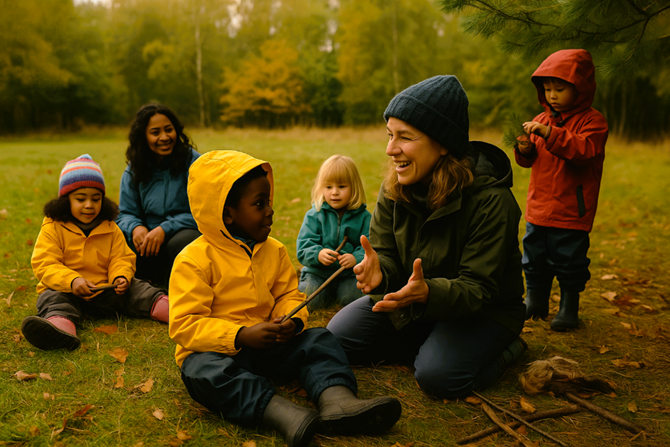
From this perspective, it becomes clearer why green spaces act as social connectors in a multi-ethnic city. This explains the importance of preserving parks such as Slottsparken andKungsparken, which form the green heart of Malmö’s city center. At the foot of the Castle, these parks offer canals, meadows, sculptures, and English-style gardens. Beyond their aesthetic or heritage value, they are open spaces that regulate the microclimate and host cultural and recreational activities. Here, green space is both infrastructure of wellbeing and social mediation, uniting generations and cultures on common ground.
Another fascinating place is Pildammsparken, south of Triangeln station. Built for the Baltic Exhibition of 1914, this park of more than forty hectares combines lagoons, tree-lined avenues, and community gathering areas. Its role as infrastructure is evident in its hydrological and climatic functions: the lagoons absorb rainwater and help moderate the local microclimate. But it is also a social stage: walks, yoga sessions, picnics, concerts, and major events in the circular amphitheater known as Tallriken. Even its recent challenges, such as water leakages in the lagoons, remind us that, like any other urban infrastructure, green spaces also demand constant technical care to sustain their functions., south of Triangeln station.
𝖬𝖺𝗅𝗆ö 𝗂𝗌 𝗇𝗈𝗍 𝗅𝗂𝗆𝗂𝗍𝖾𝖽 𝗍𝗈 𝗂𝗍𝗌 𝗉𝖺𝗋𝗄𝗌. 𝖨𝗍 𝗁𝖺𝗌 𝖻𝖾𝖾𝗇 𝖺 𝗉𝗂𝗈𝗇𝖾𝖾𝗋 𝗂𝗇 𝗋𝖾𝗀𝖾𝗇𝖾𝗋𝖺𝗍𝗂𝗇𝗀 𝖾𝗇𝗍𝗂𝗋𝖾 𝗇𝖾𝗂𝗀𝗁𝖻𝗈𝗋𝗁𝗈𝗈𝖽𝗌 𝗍𝗁𝗋𝗈𝗎𝗀𝗁 𝗀𝗋𝖾𝖾𝗇 𝖺𝗇𝖽 𝖻𝗅𝗎𝖾 𝗂𝗇𝖿𝗋𝖺𝗌𝗍𝗋𝗎𝖼𝗍𝗎𝗋𝖾𝗌. 𝖨𝗇 𝖺 𝗉𝗋𝖾𝗏𝗂𝗈𝗎𝗌 𝖾𝖽𝗂𝗍𝗂𝗈𝗇, 𝖨 𝗐𝗋𝗈𝗍𝖾 𝖺𝖻𝗈𝗎𝗍 𝗘𝗸𝗼𝘀𝘁𝗮𝗱𝗲𝗻 𝗔𝘂𝗴𝘂𝘀𝘁𝗲𝗻𝗯𝗼𝗿𝗴, 𝗐𝗁𝖾𝗋𝖾 𝗂𝗇 𝗍𝗁𝖾 𝗅𝖺𝗍𝖾 𝟣𝟫𝟫𝟢𝗌 𝖺 𝖼𝗅𝗂𝗆𝖺𝗍𝖾 𝖺𝖽𝖺𝗉𝗍𝖺𝗍𝗂𝗈𝗇 𝗆𝗈𝖽𝖾𝗅 𝗐𝖺𝗌 𝗂𝗇𝗍𝗋𝗈𝖽𝗎𝖼𝖾𝖽 𝗐𝗂𝗍𝗁 𝗀𝗋𝖾𝖾𝗇 𝗋𝗈𝗈𝖿𝗌, 𝗈𝗉𝖾𝗇 𝖼𝖺𝗇𝖺𝗅𝗌, 𝖺𝗇𝖽 𝖾𝗏𝖾𝗇 𝖺 𝗋𝗈𝗈𝖿𝗍𝗈𝗉 𝖻𝗈𝗍𝖺𝗇𝗂𝖼𝖺𝗅 𝗀𝖺𝗋𝖽𝖾𝗇. 𝖠𝗇𝗈𝗍𝗁𝖾𝗋 𝖾𝗑𝖺𝗆𝗉𝗅𝖾 𝗂𝗌 𝗕𝗼𝟎𝟏, 𝗂𝗇 𝖵ä𝗌𝗍𝗋𝖺 𝖧𝖺𝗆𝗇𝖾𝗇, 𝗐𝗁𝖾𝗋𝖾 𝗍𝗁𝖾 𝖼𝗂𝗍𝗒 𝖺𝗉𝗉𝗅𝗂𝖾𝖽 𝗂𝗇𝗇𝗈𝗏𝖺𝗍𝗂𝗏𝖾 𝗋𝖾𝗀𝗎𝗅𝖺𝗍𝗂𝗈𝗇𝗌 𝗌𝗎𝖼𝗁 𝖺𝗌 𝗍𝗁𝖾 𝗚𝗿𝗲𝗲𝗻 𝗦𝗽𝗮𝗰𝗲 𝗙𝗮𝗰𝘁𝗼𝗿 𝗮𝗻𝗱 𝘁𝗵𝗲 𝗚𝗿𝗲𝗲𝗻 𝗣𝗼𝗶𝗻𝘁𝘀 𝗦𝘆𝘀𝘁𝗲𝗺, 𝗐𝗁𝗂𝖼𝗁 𝗋𝖾𝗊𝗎𝗂𝗋𝖾 𝖾𝗏𝖾𝗋𝗒 𝗉𝗋𝗈𝗃𝖾𝖼𝗍 𝗍𝗈 𝗀𝗎𝖺𝗋𝖺𝗇𝗍𝖾𝖾 𝗏𝖾𝗀𝖾𝗍𝖺𝗍𝗂𝗈𝗇 𝖺𝗇𝖽 𝗉𝖾𝗋𝗆𝖾𝖺𝖻𝗂𝗅𝗂𝗍𝗒. 𝖳𝗁𝖺𝗇𝗄𝗌 𝗍𝗈 𝗍𝗁𝗂𝗌 𝖿𝗋𝖺𝗆𝖾𝗐𝗈𝗋𝗄, 𝗀𝗋𝖾𝖾𝗇𝖾𝗋𝗒 𝗂𝗌 𝖽𝗂𝗌𝗍𝗋𝗂𝖻𝗎𝗍𝖾𝖽 𝖺𝖼𝗋𝗈𝗌𝗌 𝗀𝗋𝗈𝗎𝗇𝖽 𝗌𝗎𝗋𝖿𝖺𝖼𝖾𝗌, 𝖿𝖺ç𝖺𝖽𝖾𝗌, 𝖺𝗇𝖽 𝗋𝗈𝗈𝖿𝗍𝗈𝗉𝗌, 𝖼𝗋𝖾𝖺𝗍𝗂𝗇𝗀 𝖺 𝗏𝗂𝗌𝗂𝖻𝗅𝖾 𝗆𝖾𝗍𝖺𝖻𝗈𝗅𝗂𝗌𝗆 𝗍𝗁𝖺𝗍 𝖾𝗇𝗌𝗎𝗋𝖾𝗌 𝖻𝗂𝗈𝖽𝗂𝗏𝖾𝗋𝗌𝗂𝗍𝗒 𝖺𝗇𝖽 𝖾𝗇𝗏𝗂𝗋𝗈𝗇𝗆𝖾𝗇𝗍𝖺𝗅 𝗊𝗎𝖺𝗅𝗂𝗍𝗒 𝖾𝗏𝖾𝗇 𝗂𝗇 𝖺 𝖽𝖾𝗇𝗌𝖾 𝗎𝗋𝖻𝖺𝗇 𝖿𝖺𝖻𝗋𝗂𝖼.
Read more in Water as Infrastructure
What makes Malmö distinctive is that it does not stop at isolated projects but turns them into policy and shared knowledge. From the Green Plan of 2003, which guides the expansion and preservation of green areas, to the Scandinavian Green Roof Institute, which researches and disseminates best practices, the city has managed to transform pilot initiatives into an integrated vision for the future.
Now I want to shift toward a professional practice experience, where I am methodologically exploring concepts that seek to open new reflections and ways of looking at the territory.
Albano Urbano Greenway: from living landscape to sociocultural flows
The Albano Urbano Greenway project, in Basilicata, was born from the conviction that green infrastructure should not only rehabilitate the environment but also reactivate the latent sociocultural flows in territories affected by depopulation and deep transformations. Here, nature is not understood merely as a physical support but as a device capable of regenerating bonds, memories, and identities.
This framework opens the door to critical concepts that help rethink urban and territorial planning in times of change: metabolismo senza territorio, which describes flows disconnected from their context; cultura desincronizzata, which points to the loss of community rhythms in the face of global acceleration; and estrattivismo simbolico, which warns of the appropriation of cultural values without genuine local roots. These are not abstract notions: they are tools to understand how landscapes, when neglected, cease to nourish collective life, and how, when carefully regenerated, they once again become supports of social wellbeing.
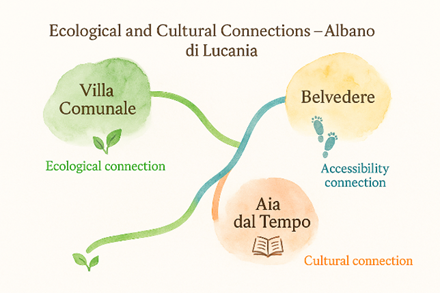
– 𝗧𝗵𝗶𝘀 𝘃𝗶𝘀𝘂𝗮𝗹 𝘀𝘆𝗻𝘁𝗵𝗲𝘀𝗶𝘀 𝗶𝗹𝗹𝘂𝘀𝘁𝗿𝗮𝘁𝗲𝘀 𝗵𝗼𝘄 𝘁𝗵𝗲 𝗔𝗹𝗯𝗮𝗻𝗼 𝗨𝗿𝗯𝗮𝗻𝗼 𝗚𝗿𝗲𝗲𝗻𝘄𝗮𝘆 𝗽𝗿𝗼𝗷𝗲𝗰𝘁 𝘄𝗲𝗮𝘃𝗲𝘀 𝘁𝗼𝗴𝗲𝘁𝗵𝗲𝗿 𝗱𝗶𝗳𝗳𝗲𝗿𝗲𝗻𝘁 𝗹𝗮𝘆𝗲𝗿𝘀 𝗼𝗳 𝗰𝗼𝗻𝗻𝗲𝗰𝘁𝗶𝗼𝗻 𝗯𝗲𝘁𝘄𝗲𝗲𝗻 𝘁𝗵𝗿𝗲𝗲 𝗸𝗲𝘆 𝗮𝗿𝗲𝗮𝘀: 𝗩𝗶𝗹𝗹𝗮 𝗖𝗼𝗺𝘂𝗻𝗮𝗹𝗲, 𝗕𝗲𝗹𝘃𝗲𝗱𝗲𝗿𝗲, 𝗮𝗻𝗱 𝗔𝗶𝗮 𝗱𝗮𝗹 𝗧𝗲𝗺𝗽𝗼.
– 𝗘𝗮𝗰𝗵 𝗹𝗶𝗻𝗲 𝗿𝗲𝗽𝗿𝗲𝘀𝗲𝗻𝘁𝘀 𝗮 𝗳𝗹𝗼𝘄—𝗲𝗰𝗼𝗹𝗼𝗴𝗶𝗰𝗮𝗹, 𝗮𝗰𝗰𝗲𝘀𝘀𝗶𝗯𝗹𝗲, 𝗼𝗿 𝗰𝘂𝗹𝘁𝘂𝗿𝗮𝗹. 𝗧𝗵𝗲 𝗮𝗶𝗺 𝗶𝘀 𝗻𝗼𝘁 𝗼𝗻𝗹𝘆 𝘁𝗼 𝗹𝗶𝗻𝗸 𝗽𝗵𝘆𝘀𝗶𝗰𝗮𝗹 𝗽𝗮𝘁𝗵𝘀 𝗯𝘂𝘁 𝗮𝗹𝘀𝗼 𝘁𝗼 𝗿𝗲𝗰𝗼𝗻𝗻𝗲𝗰𝘁 𝗺𝗲𝗺𝗼𝗿𝗶𝗲𝘀, 𝗱𝗮𝗶𝗹𝘆 𝗿𝗼𝘂𝘁𝗲𝘀, 𝗮𝗻𝗱 𝗺𝗲𝗮𝗻𝗶𝗻𝗴𝗳𝘂𝗹 𝗹𝗮𝗻𝗱𝘀𝗰𝗮𝗽𝗲𝘀 𝗮𝘀 𝗽𝗮𝗿𝘁 𝗼𝗳 𝗮 𝗯𝗿𝗼𝗮𝗱𝗲𝗿 𝗮𝗰𝘁 𝗼𝗳 𝘁𝗲𝗿𝗿𝗶𝘁𝗼𝗿𝗶𝗮𝗹 𝗿𝗲𝗰𝗼𝗺𝗽𝗼𝘀𝗶𝘁𝗶𝗼𝗻.
Albano Urbano Greenway thus becomes a laboratory where environmental rehabilitation translates into cultural and social cohesion. A place where walking along a path, joining a community activity, or contemplating the forest is not only leisure but also an act of territorial recomposition.
I have expanded this approach in an academic article currently under review, which explores these ideas in greater depth and may be published later this year. I will share it as part of this ongoing conversation on how green, beyond the physical, becomes symbolic and cultural infrastructure.
🌍 Closing: green as a shared language
Walking through Malmö reminds us that green spaces are living infrastructures: they regulate the climate and, at the same time, sustain coexistence in a profoundly diverse city. I have tried to carry that same logic into my professional practice with the Albano Urbano Greenway project in Basilicata, Italy. There, the goal is not only to restore the environment but also to reactivate agricultural memory, community knowledge, and bonds that seemed dormant. If in Malmö nature helps integrate multicultural life, in Albano it becomes a tool for reconciliation with a territory marked by depopulation and by a culture that sometimes feels out of sync with its own landscape. Two different geographies, one common thread: nature as infrastructure of wellbeing. Whether in the urban heart of a Scandinavian city or in a small village in southern Italy, green reminds us that the future is not built only with materials and technology, but with the ability to reactivate flows -climatic, social, and symbolic- that reconnect us with the places we inhabit.
Thank you for joining me on this journey. I hope these reflections on nature, infrastructure, and urban pedagogy open up new perspectives and questions. I would love to hear about other experiences, viewpoints, or projects that are transforming territory through a sensitive and sustainable lens.
💬 I invite you to share ideas, exchange thoughts, or simply continue this conversation.
📌 In the next issue, we’ll present the fourth and final part of this Urban Climate Series, where we’ll explore the theme of slow urban mobility, a gentle shift in how we move through and relate to our cities.